

Certified Professional inFull Stack Digital Marketing& Analytics with AI




Why Learn Full Stack Digital Marketing & Analytics with AI?
- Introduction to AI in Digital Marketing
- Search Engine Optimization (SEO) with AI
- Social Media Optimization (SMO) with AI
- Social Media Marketing (SMM) with AI
- Search Engine Marketing (Google Ads & PPC) with AI
- Content Marketing with AI
- Email Marketing & Marketing Automation with AI
- Web Analytics and Reporting with AI
- Conversion Rate Optimization (CRO) with AI
- E-commerce Marketing & Analytics with AI
- AI Marketing Analytics with AI
- Prompt Engineering for Marketers
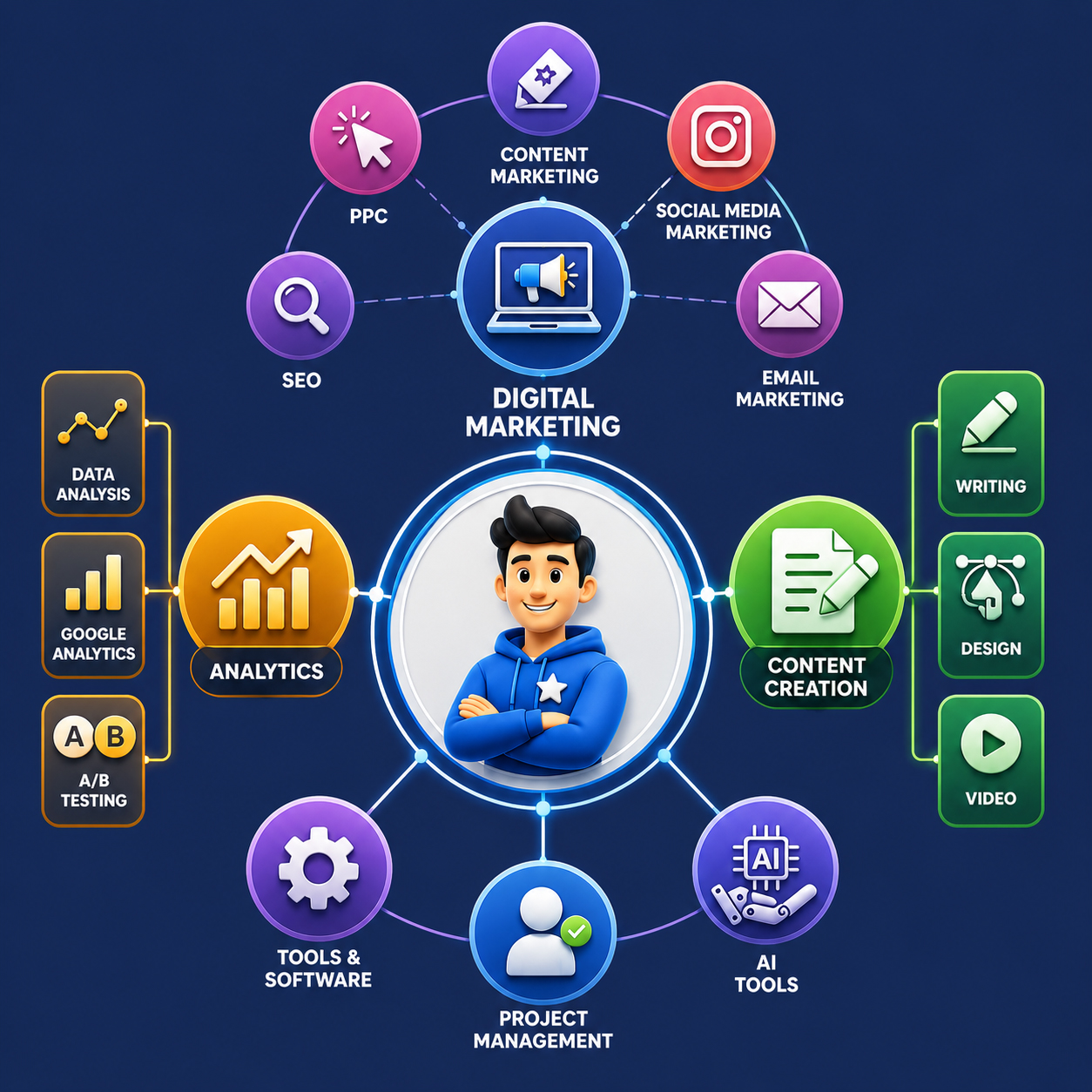
AI Digital Marketing Strategy Learning Topics
Module 1:
AI-Powered Digital Marketing Strategy Learning Hub
- Introduction to AI in Digital Marketing
- What is Artificial Intelligence?
- AI vs Machine Learning vs Generative AI
- Benefits of AI in Marketing
- AI Trends and Future of Marketing
Module 2:
AI Content Creation
- Introduction to ChatGPT
- Writing SEO Blog Articles
- Creating Website Content
- Generating Product Descriptions
- AI Copywriting Techniques
- Content Optimization with AI




Module 3:
AI for SEO
- Keyword Research using AI
- Content Gap Analysis
- Meta Title & Description Generation
- SEO Content Brief Creation
- Competitor Analysis with AI
Tools:




Module 4:
AI for Social Media Marketing
- AI Social Media Strategy
- Social Media Content Generation
- Caption Writing
- Hashtag Research
- AI Video Script Creation
Tools:



Module 5:
AI for PPC & Google Ads
- AI-Assisted Keyword Research
- Ad Copy Creation
- Landing Page Optimization
- Campaign Analysis
- Conversion Optimization
Tools:
Module 6:
AI for Email Marketing
- AI Email Copywriting
- Subject Line Generation
- Audience Segmentation
- Email Automation Concepts
- Personalized Email Campaigns
Tools:

























Unlocking Success Through  Marketing

Master Search Engine Marketing (SEM) to reach your target audience and generate high-quality leads.


SEO with AI (Search Engine Optimisation & Artificial Intelligence)
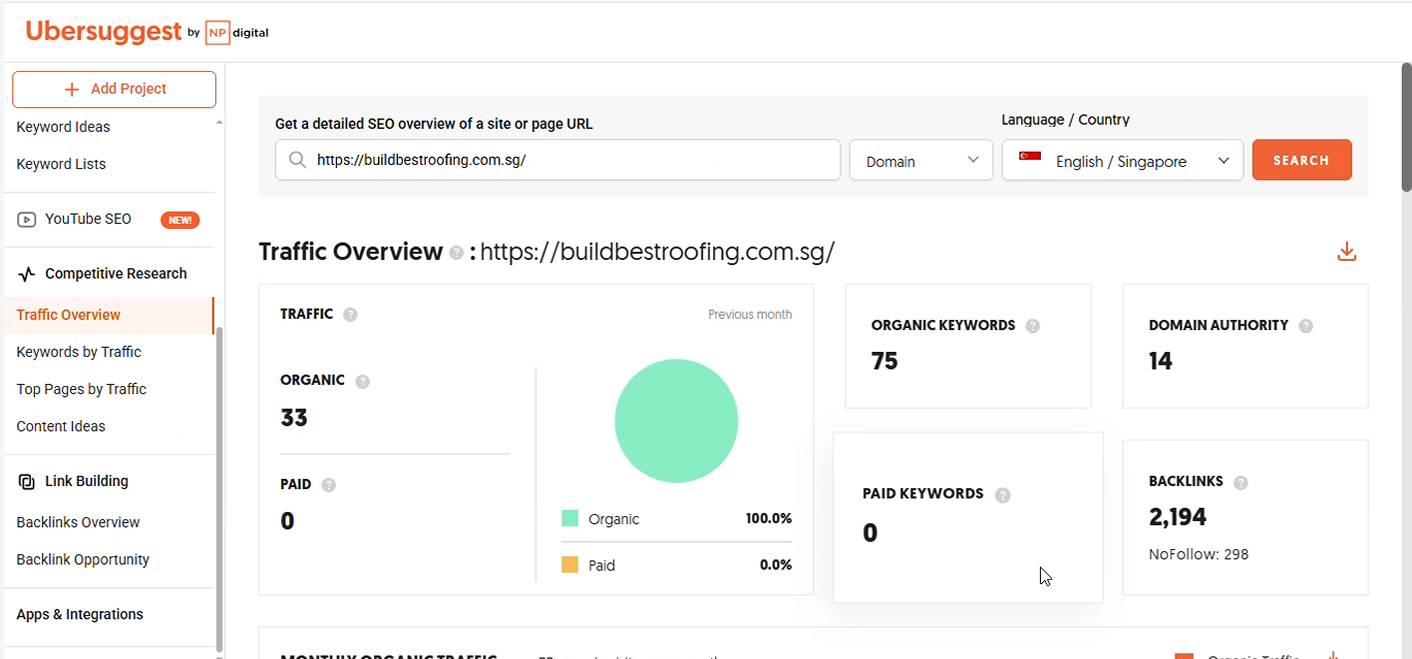
Learn how modern Search Engine Optimisation (SEO) works in the age of Artificial Intelligence and how search engines use AI-powered algorithms to evaluate, rank, and display website content.
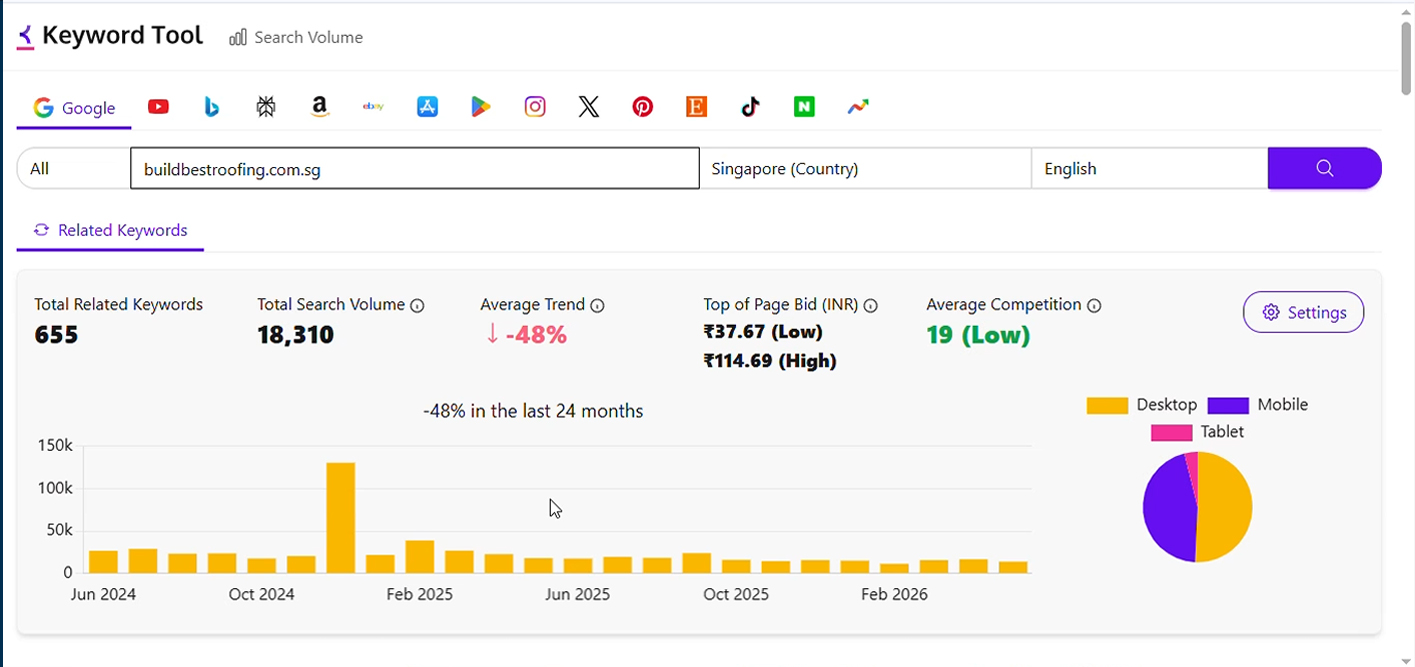
Gain hands-on experience using AI tools to perform keyword research, identify high-potential keywords, discover content opportunities, and analyze search intent more efficiently.
Learn how to leverage AI for on-page SEO optimisation, including generating SEO-friendly title tags, meta descriptions, content outlines, schema markup suggestions, internal linking strategies, and content optimisation recommendations.
Understand how AI can help conduct comprehensive SEO audits by identifying technical issues, page speed improvements, content gaps, indexing problems, and user experience enhancements.
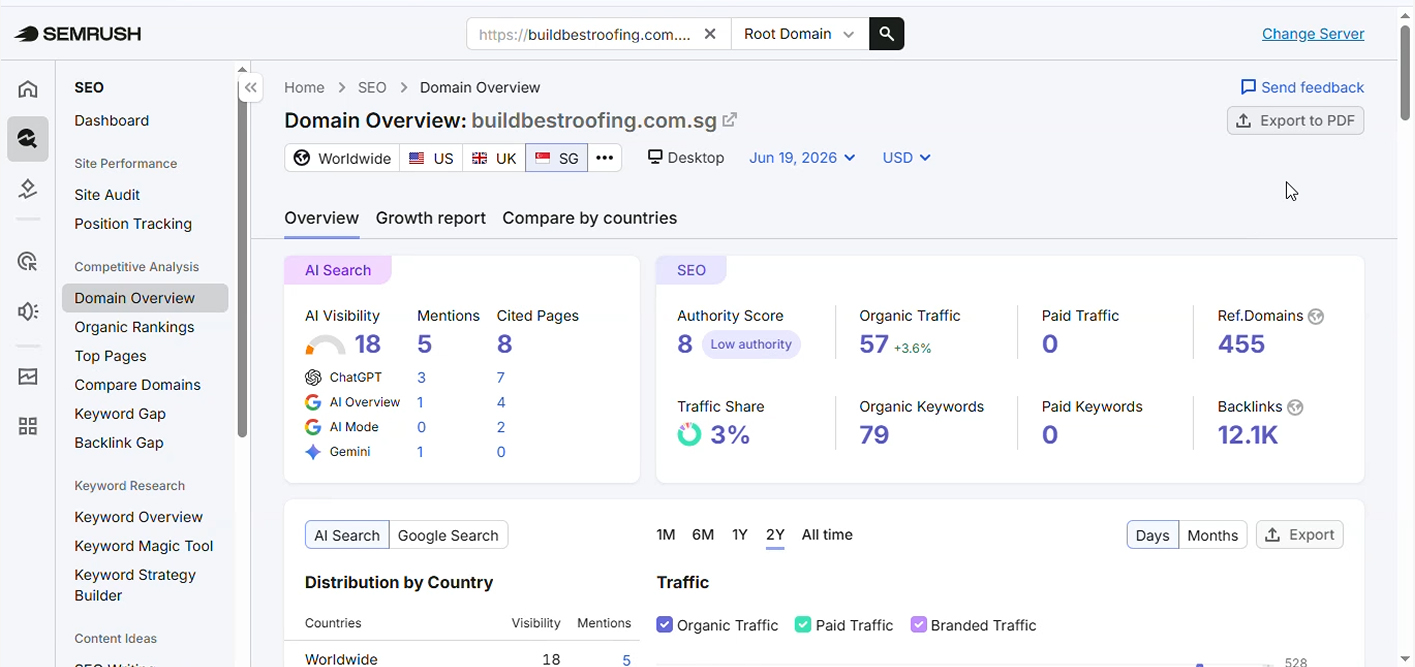
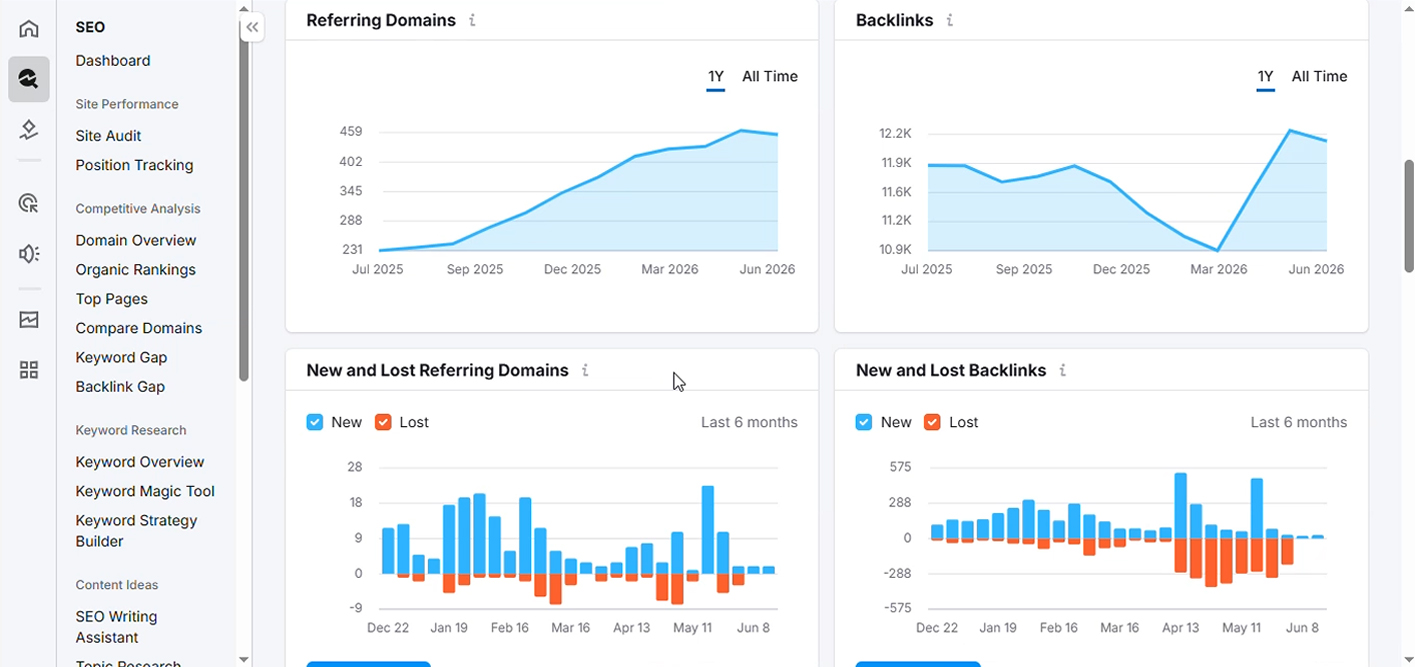
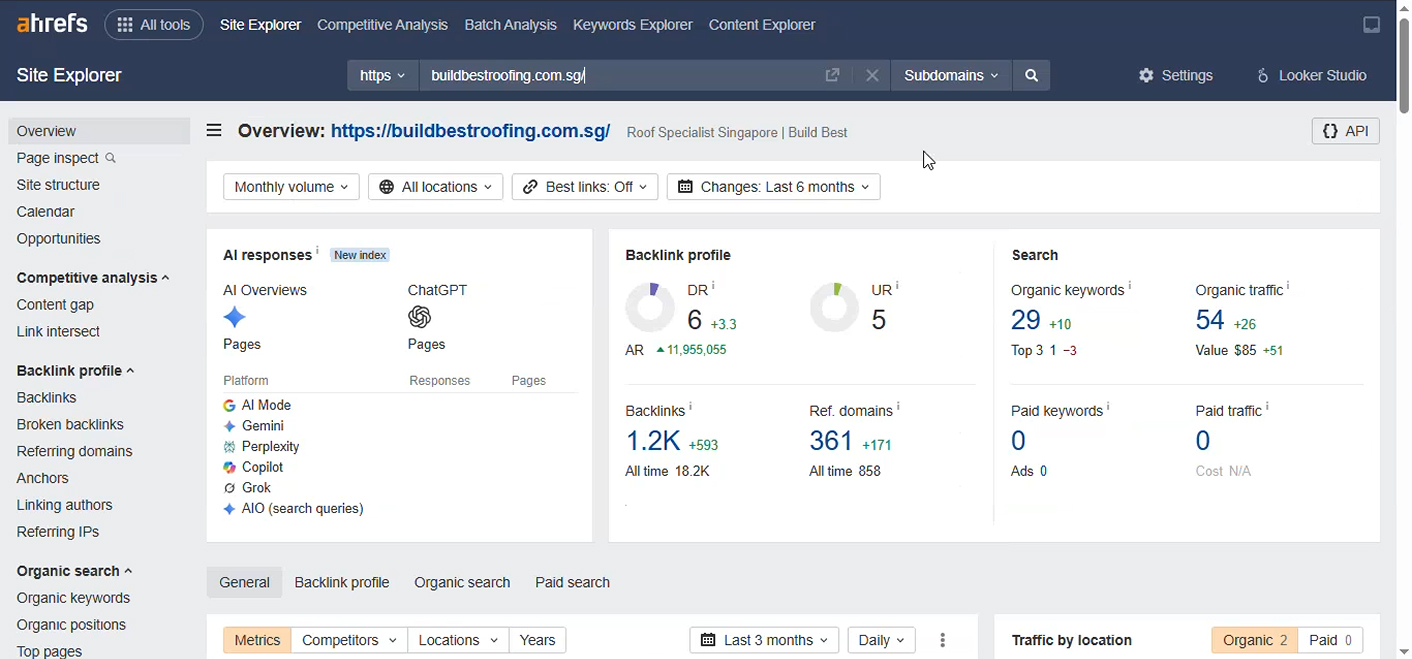
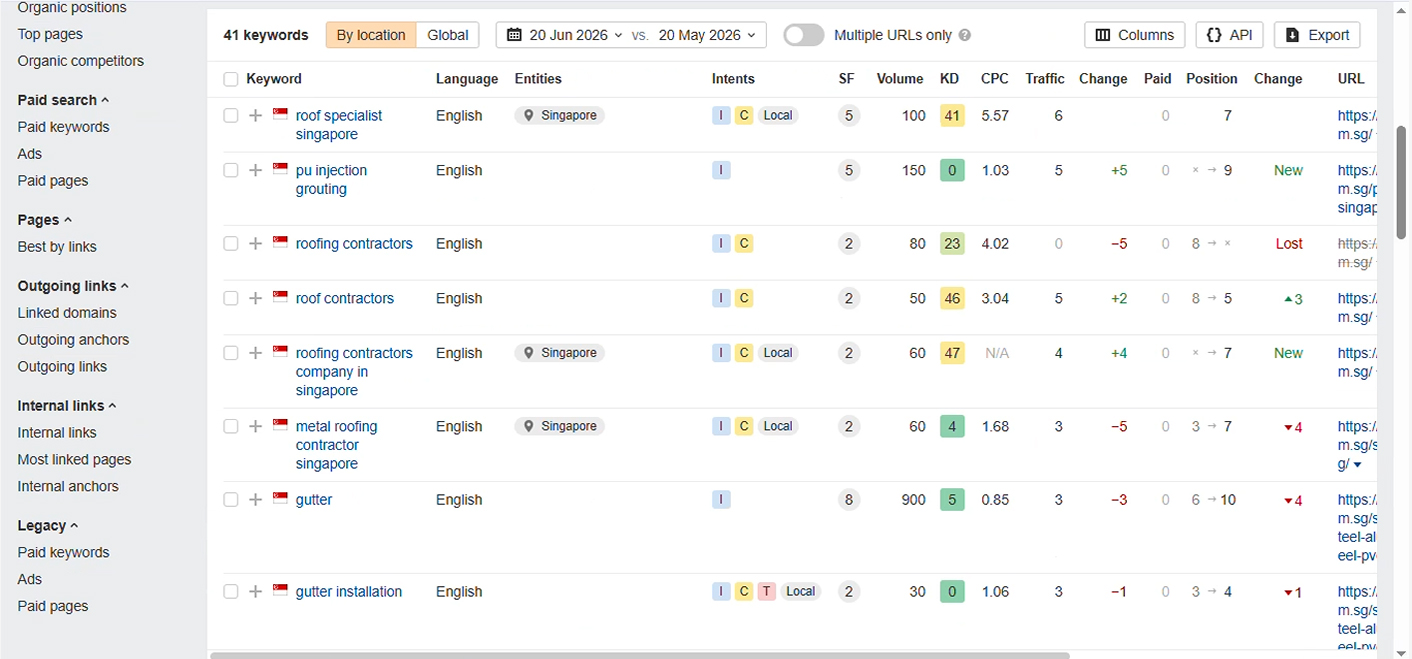
Explore AI-powered competitor analysis techniques to uncover competitor keywords, content strategies, backlink opportunities, and market trends using both free and premium SEO tools.
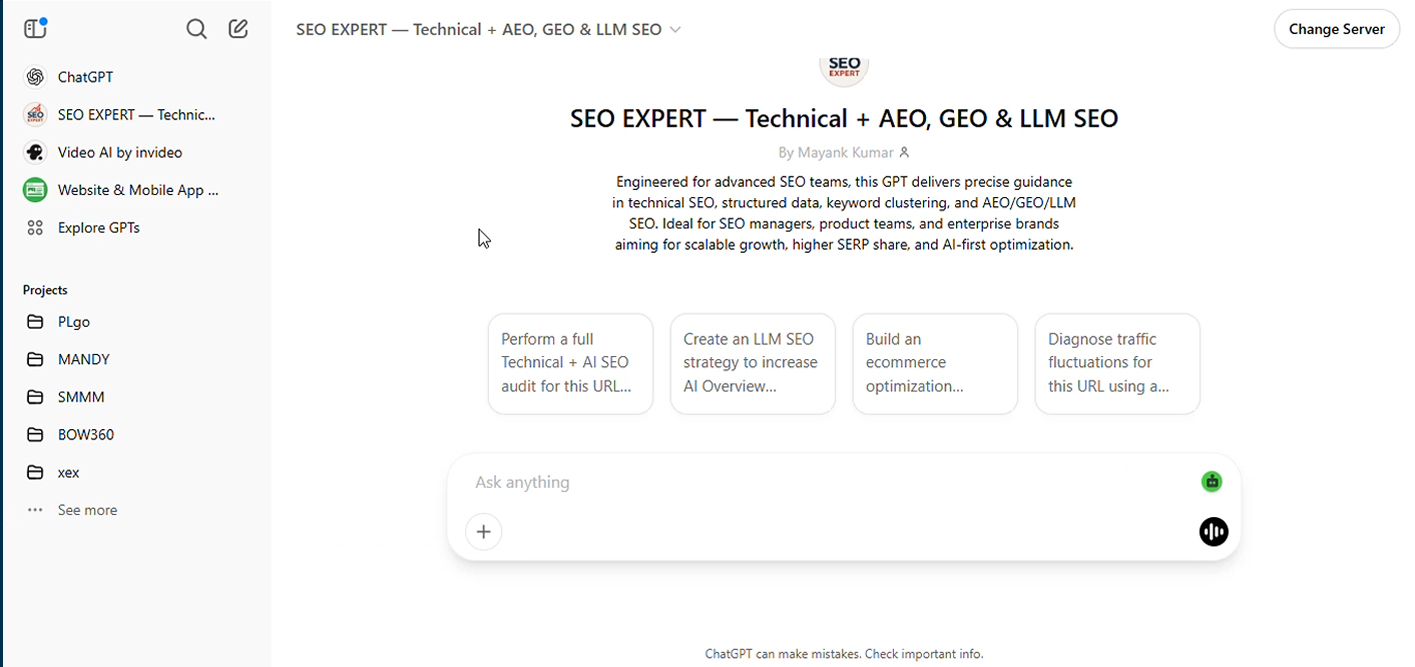
Learn how to use industry-leading AI and SEO platforms such as ChatGPT, Gemini, Semrush, Ahrefs, Surfer SEO, and SimilarWeb to improve website visibility and search engine rankings.
Develop practical AI-assisted SEO skills that can be immediately applied to real business websites, helping you increase organic traffic, improve search rankings, and streamline SEO workflows more efficiently.
Topics Covered:
- Introduction to AI in SEO
- AI-Powered Keyword Research
- Search Intent Analysis with AI
- AI Content Planning & Topic Clustering
- SEO Content Optimisation using AI
- AI-Assisted Technical SEO Audits
- AI Competitor Analysis
- Meta Title & Description Generation
- AI for Link Building & Content Gap Analysis
- AI SEO Reporting and Performance Monitoring
- Best Practices and Ethical Use of AI in SEO
Google Analytics with AI (Data Analytics & Intelligent Insights)
Learn how to set up and configure Google Analytics 4 (GA4) for your website and understand how modern analytics is enhanced with Artificial Intelligence for smarter, faster decision-making.
Gain hands-on experience in navigating the GA4 dashboard while also learning how AI-powered insights automatically highlight trends, anomalies, and user behavior patterns without manual analysis.
Understand how key metrics such as traffic sources, engagement rate, conversions, events, and user journeys are interpreted using both traditional analytics and AI-driven predictive insights.
Explore how to use AI-assisted reporting tools to automatically generate dashboards, summarize performance insights, and simplify complex data into actionable business decisions.
Learn how industry professionals combine Google Analytics with AI tools such as ChatGPT, Google Analytics Insights, Looker Studio, and predictive analytics platforms to improve marketing performance.
Develop practical, real-world skills that allow you to make data-driven and AI-enhanced business decisions that improve website traffic, conversions, and overall digital marketing performance.
Topics Covered:
- Introduction to Google Analytics 4 (GA4) with AI Integration
- AI-Powered Dashboard Interpretation
- Smart Tracking Setup & Event Configuration
- AI-Based User Behavior Analysis
- Predictive Analytics & Trend Forecasting
- Automated Insights & Anomaly Detection
- AI-Assisted Conversion Tracking
- Customer Journey Analysis using AI
- AI Reporting & Data Visualization (Looker Studio)
- Marketing Decision Making with AI Insights
SEM with AI (Search Engine Marketing for PPC & Display Ads)
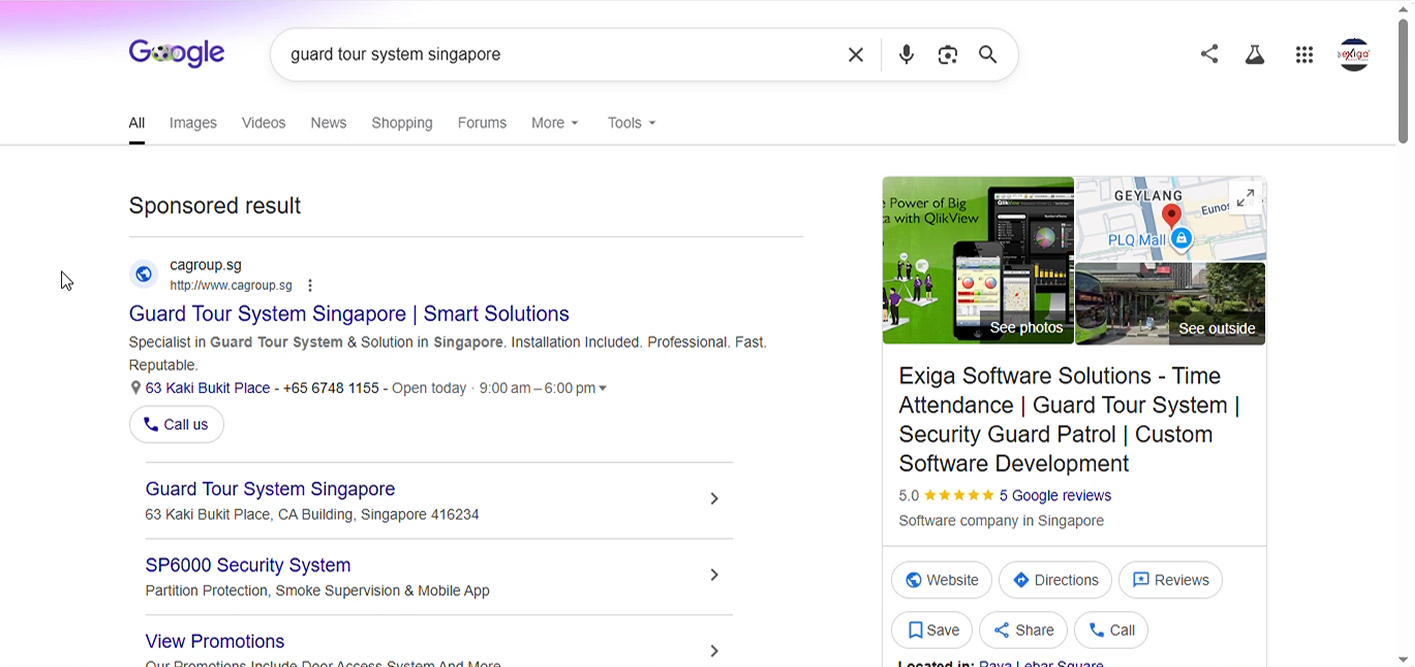
Learn how modern Search Engine Marketing (SEM) works using Artificial Intelligence to plan, launch, manage, and optimise high-performing Google Ads campaigns more efficiently and effectively.
Understand the different types of Google Ads campaigns such as Search, Display, Performance Max, and YouTube Ads, and how AI-powered automation helps determine the best campaign strategy based on business goals and audience behaviour.
Explore how AI tools and data-driven platforms help identify competitor strategies, trending keywords, audience segments, and market opportunities across different industries in real time.
Gain hands-on experience in setting up and managing Google Ads campaigns using AI-assisted workflows — including goal setting, budget allocation, keyword research, audience targeting, bidding strategies, and ad group structuring.
Learn how AI enhances ad copywriting by generating high-converting headlines, descriptions, and creative variations tailored for different audiences and campaign objectives.
Understand how machine learning in Google Ads automatically optimises bids, placements, and targeting to improve performance while reducing cost-per-click and increasing conversions.
Learn how to measure campaign performance using AI-powered insights, automated reporting, and predictive analytics to identify what is working and what needs improvement.
Discover how marketers use AI tools such as Google Ads AI, ChatGPT, and performance analytics platforms to continuously optimise campaigns and maximise return on ad spend (ROAS).
Develop practical, job-ready skills to run profitable AI-powered SEM campaigns that can be applied immediately to real business marketing strategies.
Topics Covered:
- Introduction to SEM with AI and Automation
- Types of Google Ads Campaigns (Search, Display, Performance Max, YouTube)
- AI-Powered Keyword Research for PPC
- Competitor Analysis using AI Tools
- AI-Based Campaign Planning & Structure
- Smart Audience Targeting with Machine Learning
- AI Ad Copywriting & Creative Generation
- Automated Bidding Strategies (Smart Bidding)
- Conversion Tracking & Optimization using AI
- AI-Powered Campaign Reporting & Insights
- Performance Optimization & Budget Efficiency
Digital Marketing Live Hands-on Learning Activities with AI
Gain practical, real-world experience in digital marketing by working on live, AI-powered tools and platforms used by industry professionals. This hands-on module focuses on applying Artificial Intelligence to real marketing tasks including analytics, campaign tracking, automation, and performance optimization.
Learn how to set up and configure essential digital marketing tools such as Google Analytics 4 (GA4) and integrate AI-assisted insights for smarter tracking, reporting, and decision-making.
Get hands-on experience in creating goals, events, audiences, and custom reports using GA4 while leveraging AI tools to automatically interpret data patterns, user behavior, and conversion trends.
Analyze website traffic, engagement, and conversion performance using both traditional analytics methods and AI-powered insights that highlight opportunities for growth and optimization.
Understand how GA4 works in combination with AI to simplify complex data analysis, automate reporting, and provide predictive recommendations for better marketing performance.
Work on live exercises such as campaign tracking setup, conversion measurement, and performance analysis using AI-enhanced dashboards and reporting tools.
Learn how to use AI-driven analytics tools to generate meaningful reports, identify successful campaigns, detect underperforming areas, and recommend data-backed improvements.
Develop strong data-driven decision-making skills by combining Google Analytics insights with AI tools such as ChatGPT, GA4 Insights, and visualization platforms like Looker Studio.
Complete real-world marketing simulations where you optimize campaigns, improve website performance, and make strategic decisions using AI-supported analytics.
Topics Covered:
- Live Setup of Google Analytics 4 (GA4) with AI Assistance
- AI-Powered Website Data Tracking & Configuration
- Creating Goals, Events, Audiences using GA4
- AI-Based Traffic, Engagement & Conversion Analysis
- Automated Insights & Reporting using AI Tools
- Campaign Tracking & Performance Measurement
- AI-Driven Website Behavior Analysis
- Data Interpretation using Machine Learning Insights
- Looker Studio Dashboards with AI Integration
- AI-Powered Marketing Optimization Exercises
- Real-time Digital Marketing Case Studies
- Data-Driven Decision Making with AI Support
Email Marketing with AI
Introduction to Email Marketing with AI
AI-Powered Email Marketing Platforms
AI-Based Email List Building & Lead Generation
AI Email Content Creation & Design
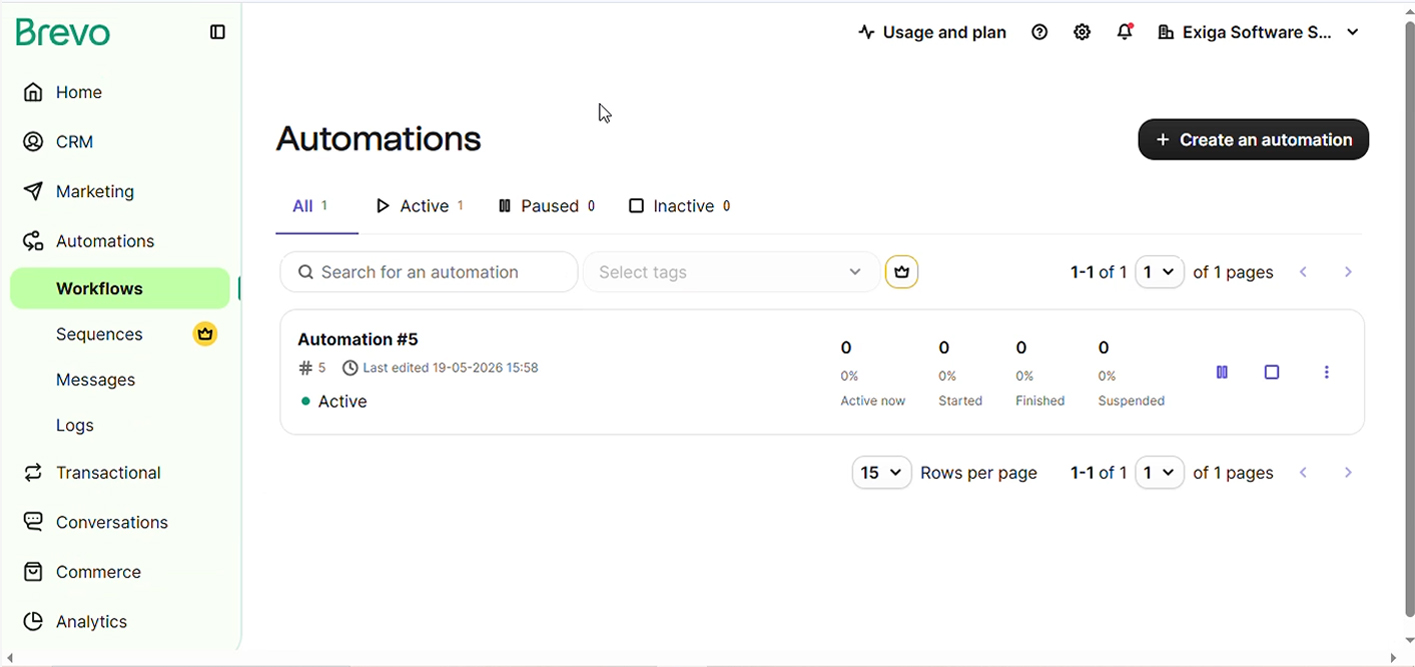
AI Email Campaign Management & Automation
Email Deliverability with AI Optimization
AI Email Analytics & Performance Tracking
AI Email Marketing Strategy & Planning
Topics Covered:
- Introduction to Email Marketing with AI
- AI Email Marketing Platforms & Automation Tools
- AI-Powered Lead Generation & List Building
- Smart Email Content Creation using AI
- AI Personalization & Dynamic Email Content
- Automated Campaign Management & Workflows
- AI-Based A/B Testing & Optimization
- Email Deliverability Optimization with AI
- AI Email Analytics & Predictive Reporting
- AI-Driven Email Marketing Strategy Planning
- Customer Behavior Tracking & Segmentation using AI
SMO & SMM with AI (Social Media Optimization & Marketing)
Introduction to SMO & SMM with AI
AI-Powered Social Media Platforms
AI Content Creation for Social Media
AI in Social Media Advertising (SMM Ads)
Understand how AI enhances paid social media advertising by improving audience targeting, automated bidding, ad placement optimization, and performance prediction. Learn how to create high-converting ad copies and creatives using AI tools.
AI Social Media Analytics & Performance Tracking
Influencer Marketing with AI
AI Social Media Strategy & Planning
AI Social Media Management Tools
Topics Covered:
- Introduction to SMO & SMM with AI
- AI-Driven Social Media Algorithms & Optimization
- AI Content Creation (Posts, Captions, Reels, Hashtags)
- AI Social Media Advertising & Campaign Optimization
- AI Audience Targeting & Behavioral Insights
- Influencer Marketing with AI Analytics
- AI Social Media Analytics & Reporting
- Social Media Strategy Planning using AI
- Automation & Scheduling Tools for Social Media
- AI-Based Engagement & Growth Optimization
- Multi-Platform Content Optimization Strategies
Making Business Decisions with Google Analytics
- Understand how to install and set up Google Analytics for your website.
- Understand how to navigate the Google Analytics dashboard and change basic settings.
- Understand the categories and metrics within Google Analytics and what they represent.
- Learn how to decipher consumer trends and behaviours based off information from Google Analytics.
- Learn the best practices used by marketers to filter and report Google Analytics data.
- Learn practical skills that can be applied to your business immediately — from industry professionals with on-the-ground job experience.
Search Engine Optimisation (SEO) Basic Techniques
- Learn how SEO works and how Google’s algorithm calculates your website ranking.
- Get hands-on experience performing keyword research to identify potential keywords with high search volume.
- Learn how to conduct SEO audits and improve existing website SEO by using appropriate title tags, domain URLs, meta-descriptions, page speed optimisation and more.
- Understand how to use free tools like SimilarWeb to conduct competitor analysis.
- Learn practical skills that can be applied to your business immediately — from industry professionals with on-the-ground job experience.
Run Successful Google Search Engine Marketing Campaigns For PPC and Display Ads
- Learn about the various types of Google Ads to find out what works best for your business.
- Explore free third party tools to research your competitors and latest trends in the search landscape for various industries.
- Get hands-on-experience setting up a Google Ads campaign. Includes defining goals and budget, conducting keyword research, defining account structure, audience targeting, setting keyword bids, writing ad copies and more.
- Learn how to measure and optimise ad campaign performance to maximise results and get the most out of your ad budget.
- Learn practical skills that can be applied to your business immediately — from industry professionals with on-the-ground job experience.
Hands-on Learning Activities
- Set up Google Analytics Account: Gain hands-on experience by setting up a Google Analytics account & creating GA4 properties.
- Create Goals, Audiences, & Exploration Reports: Create goals & custom events within GA4.
- Analyse Traffic, Engagement, & Conversion Reports: Analysis of traffic, engagement, and conversion reports in GA4.
- Utilise Google Analytics 4: Understand the features & functionality of GA4.
- Google Analytics (GA4) Account Setup & Configuration.
- Website Data Analysis & Interpretation.
- Goal Tracking & Campaign Effectiveness Measurement: Set up campaign tracking and analyse campaign-specific metrics.
- Data-Driven Decision Making: Generate comprehensive reports using Google Analytics 4 to aid in data-driven decision making.
Digital Marketing is a High-Demand Skill that Promises a Bright Career Future in Today’s Market.

Website Designing
We will teach you How to create a Stunning Website
Search Engine Optimization
Search Engine Optimization (SEO) is the process of optimizing a website to improve its visibility and ranking on search engine results pages (SERPs). Here is an overview of the topics Our SEO course will cover:
- Introduction to SEO: The course start with an introduction to SEO, including its history, principles, and importance in digital marketing.
- Keyword Research: Keyword research is a critical component of SEO. The course should cover how to identify and select appropriate keywords for your website and how to use them in your content.
- On-Page Optimization: On-page optimization involves optimizing your website’s content, structure, and HTML code for search engines. We cover topics such as title tags, meta descriptions, header tags, and internal linking.
- Off-Page Optimization: Off-page optimization refers to activities that improve your website’s visibility and authority outside of your website. The course should cover topics such as link building, social media marketing, and online reputation management.
- Technical SEO: Technical SEO involves optimizing your website’s technical infrastructure, such as website speed, mobile optimization, and structured data. The course should cover technical topics such as website speed optimization, mobile optimization, and schema markup.
- Analytics and Reporting: We cover how to measure and analyze the effectiveness of your SEO efforts using tools like Google Analytics and how to report your results to stakeholders.
- SEO Tools: There are several SEO tools available that can help you optimize your website. We cover some of the most popular ones, such as SEMrush, Ahrefs, and Moz.
Search Engine Marketing ( Google Ads)
Google Ads is a digital advertising platform that allows businesses to create and display ads on Google’s search engine results pages (SERPs) and across Google’s network of websites and apps. A comprehensive Google Ads course should cover the following topics:
- Introduction to Google Ads: The course should start with an overview of Google Ads, including its history, features, and benefits for businesses.
- Keyword Research: Keyword research is essential for creating effective Google Ads campaigns. The course should cover how to identify and select appropriate keywords for your ads and how to use them in your ad copy.
- Ad Formats: Google Ads offers several ad formats, including search ads, display ads, video ads, and shopping ads. The course should cover how to create and optimize each of these ad formats.
- Ad Targeting: Targeting is critical for ensuring that your ads reach the right audience. The course should cover how to target your ads based on factors such as location, demographics, interests, and behaviors.
- Bidding and Budgeting: Google Ads uses a bidding system to determine which ads are displayed on SERPs and other websites. The course should cover how to set your bids and budgets for your campaigns.
- Ad Performance Measurement: The course should cover how to measure the performance of your ads using metrics such as click-through rate (CTR), cost per click (CPC), conversion rate, and return on ad spend (ROAS).
- Optimization Techniques: The course should cover optimization techniques for improving the performance of your ads, such as A/B testing, ad rotation, ad scheduling, and ad extensions.
- Google Ads Tools: There are several tools available within Google Ads that can help you optimize your campaigns. The course should cover some of the most popular ones, such as Google Ads Editor, Keyword Planner, and Google Analytics.
Social Media Marketing
Social media marketing (SMM) is the practice of using social media platforms to promote a product, service, or brand. A comprehensive social media marketing course should cover the following topics:
- Introduction to Social Media Marketing: The course should start with an overview of social media marketing, including its history, benefits, and best practices.
- Social Media Platforms: There are several social media platforms available, and each has its unique features and benefits. The course should cover the most popular platforms, such as Facebook, Twitter, Instagram, LinkedIn, and YouTube, and how to create and optimize accounts on each platform.
- Content Creation: Content is the heart of social media marketing, and the course should cover how to create compelling and engaging content for social media platforms, such as text posts, images, videos, and stories.
- Social Media Advertising: Social media advertising allows businesses to reach a wider audience and promote their products or services through paid ads. The course should cover how to create and optimize ads on social media platforms, including targeting, bidding, and ad formats.
- Social Media Analytics: Analytics are critical for measuring the effectiveness of social media marketing campaigns. The course should cover how to use analytics tools such as Facebook Insights, Twitter Analytics, and Google Analytics to track and analyze social media metrics such as engagement, reach, and conversions.
- Influencer Marketing: Influencer marketing involves partnering with social media influencers to promote a product or service. The course should cover how to identify and work with influencers, and how to measure the effectiveness of influencer marketing campaigns.
- Social Media Strategy and Planning: A successful social media marketing campaign requires a well-defined strategy and plan. The course should cover how to create a social media strategy, including setting goals, identifying target audiences, creating content calendars, and measuring success.
- Social Media Management Tools: There are several social media management tools available that can help businesses manage their social media accounts and campaigns more efficiently. The course should cover some of the most popular tools, such as Hootsuite, Buffer, and Sprout Social.
Email Marketing
Email marketing is the practice of using email to promote products or services and build relationships with customers or subscribers. A comprehensive email marketing course should cover the following topics:
- Introduction to Email Marketing: The course should start with an overview of email marketing, including its history, benefits, and best practices.
- Email Marketing Platforms: There are several email marketing platforms available, and each has its unique features and benefits. The course should cover the most popular platforms, such as Mailchimp, Constant Contact, and AWeber, and how to create and optimize email campaigns on each platform.
- Email List Building: An email list is critical for email marketing success, and the course should cover how to build an email list, including how to create lead magnets, opt-in forms, and landing pages.
- Email Design and Content: The course should cover how to create engaging and effective email designs, including how to write compelling subject lines, headlines, and body copy. The course should also cover how to optimize emails for mobile devices and how to use images and videos in emails.
- Email Campaign Management: The course should cover how to manage email campaigns, including how to segment email lists, set up autoresponders, and A/B test emails.
- Email Deliverability: Email deliverability refers to the ability of emails to land in subscribers’ inboxes. The course should cover how to optimize email deliverability, including how to avoid spam filters, use email authentication, and monitor email metrics.
- Email Analytics: Analytics are critical for measuring the effectiveness of email marketing campaigns. The course should cover how to use email analytics tools, such as open rates, click-through rates, and conversion rates, to track and analyze email performance.
- Email Marketing Strategy and Planning: A successful email marketing campaign requires a well-defined strategy and plan. The course should cover how to create an email marketing strategy, including setting goals, identifying target audiences, creating content calendars, and measuring success.
Google Analytics (GA4)
Google Analytics is a free web analytics service provided by Google that tracks and reports website traffic. A comprehensive Google Analytics course should cover the following topics:
- Introduction to Google Analytics: The course should start with an overview of Google Analytics, including its history, benefits, and best practices.
- Setting up Google Analytics: The course should cover how to set up Google Analytics on a website, including how to create an account, add tracking code, and configure account settings.
- Navigating the Google Analytics Dashboard: The course should cover how to navigate the Google Analytics dashboard, including how to use the menu, view reports, and customize views.
- Understanding Google Analytics Metrics: The course should cover the most important Google Analytics metrics, such as page views, bounce rate, session duration, and conversion rate.
- Understanding Google Analytics Reports: The course should cover how to use Google Analytics reports, such as Audience, Acquisition, Behavior, and Conversions reports, to gain insights into website performance.
- Advanced Google Analytics: The course should cover more advanced topics, such as how to set up goals and events, how to use custom dimensions and metrics, and how to track e-commerce transactions.
- Google Analytics Integrations: The course should cover how to integrate Google Analytics with other tools, such as Google Ads, Google Search Console, and Google Tag Manager.
- Google Analytics Strategy and Planning: A successful Google Analytics implementation requires a well-defined strategy and plan. The course should cover how to create a Google Analytics strategy, including setting goals, identifying key performance indicators, and measuring success.
Blogging, YouTube & Affiliate Marketing
Blogging, YouTube, and affiliate marketing are three related fields that can be taught together in a comprehensive digital marketing course. Here’s an overview of what should be covered in each of these topics:
- Blogging:
- Introduction to Blogging: The course should start with an introduction to blogging, including its history, benefits, and best practices.
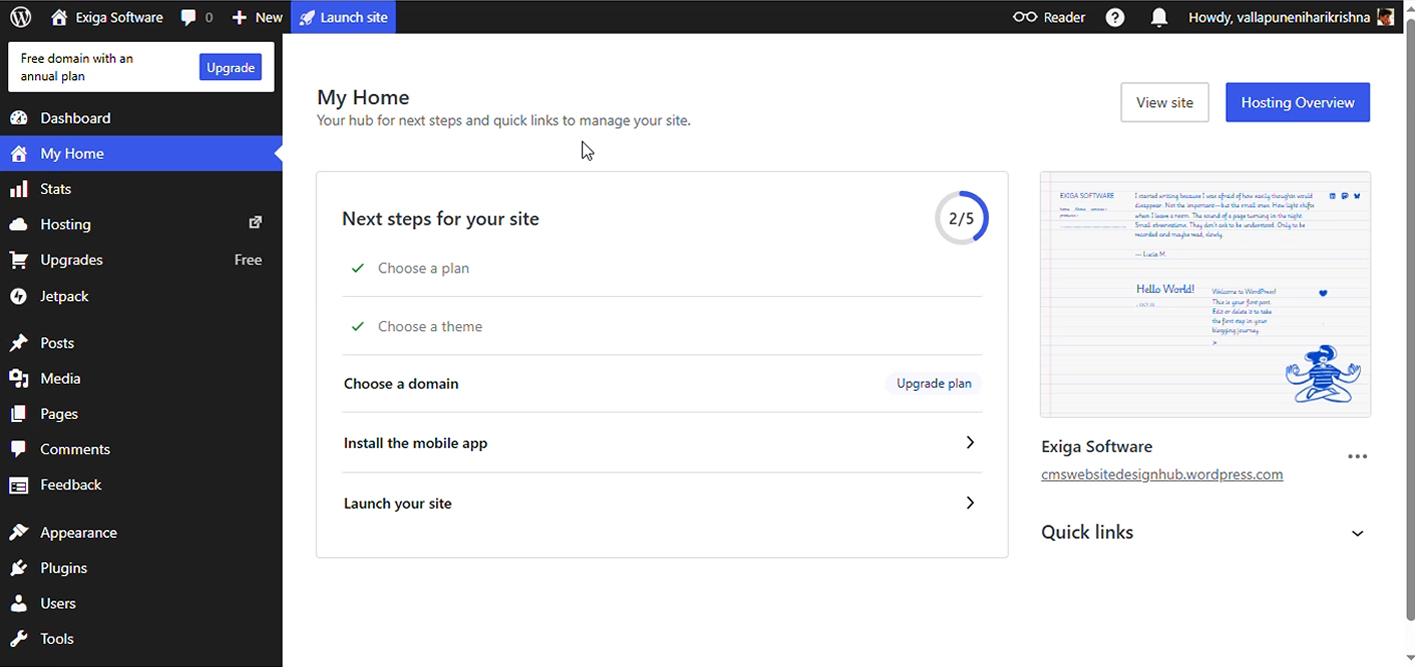
- Setting up a Blog: The course should cover how to set up a blog, including choosing a domain name, selecting a hosting provider, and installing a content management system like WordPress.
- Blogging Strategy and Planning: A successful blog requires a well-defined strategy and plan. The course should cover how to create a blogging strategy, including identifying target audiences, creating content calendars, and measuring success.
- Content Creation: The course should cover how to create engaging and effective blog content, including how to write compelling headlines, use images and videos, and optimize posts for search engines.
- Blog Promotion: The course should cover how to promote blog content, including how to use social media, email marketing, and search engine optimization (SEO) to drive traffic to the blog.
- YouTube:
- Introduction to YouTube: The course should start with an introduction to YouTube, including its history, benefits, and best practices.
- Setting up a YouTube Channel: The course should cover how to set up a YouTube channel, including choosing a name, designing a channel art, and optimizing the channel for search engines.
- YouTube Content Strategy and Planning: A successful YouTube channel requires a well-defined strategy and plan. The course should cover how to create a YouTube content strategy, including identifying target audiences, creating content calendars, and measuring success.
- Video Creation: The course should cover how to create engaging and effective YouTube videos, including how to write scripts, use lighting and audio equipment, and edit videos.
- YouTube Promotion: The course should cover how to promote YouTube videos, including how to use social media, email marketing, and search engine optimization (SEO) to drive views to the videos.
- Affiliate Marketing:
- Introduction to Affiliate Marketing: The course should start with an introduction to affiliate marketing, including its history, benefits, and best practices.
- Affiliate Marketing Networks: The course should cover how to join affiliate marketing networks, such as Amazon Associates, ClickBank, and ShareASale.
- Finding Affiliate Products to Promote: The course should cover how to find affiliate products to promote, including how to choose products that match your audience’s interests and needs.
- Affiliate Marketing Strategy and Planning: A successful affiliate marketing campaign requires a well-defined strategy and plan. The course should cover how to create an affiliate marketing strategy, including setting goals, identifying target audiences, and measuring success.
- Promoting Affiliate Products: The course should cover how to promote affiliate products, including how to use blogging, YouTube, and social media to drive sales. The course should also cover how to use email marketing and paid advertising to promote affiliate products.